When it comes to updating your home, one of the most practical and visually appealing choices is cut laminate flooring. Whether you’re a DIY enthusiast or a homeowner looking for a cost-effective way to refresh your interiors, understanding the ins and outs of laminate flooring can save you time, money, and frustration. In this guide, I’ll share my personal experiences, practical tips, and even a real-life case study to help you make an informed decision.
Content
Why Choose Cut Laminate Flooring?
Laminate flooring has grown immensely in popularity due to its affordability, durability, and aesthetic versatility. But what makes cut laminate flooring particularly appealing is its ability to fit seamlessly into any space, no matter the room size or shape.
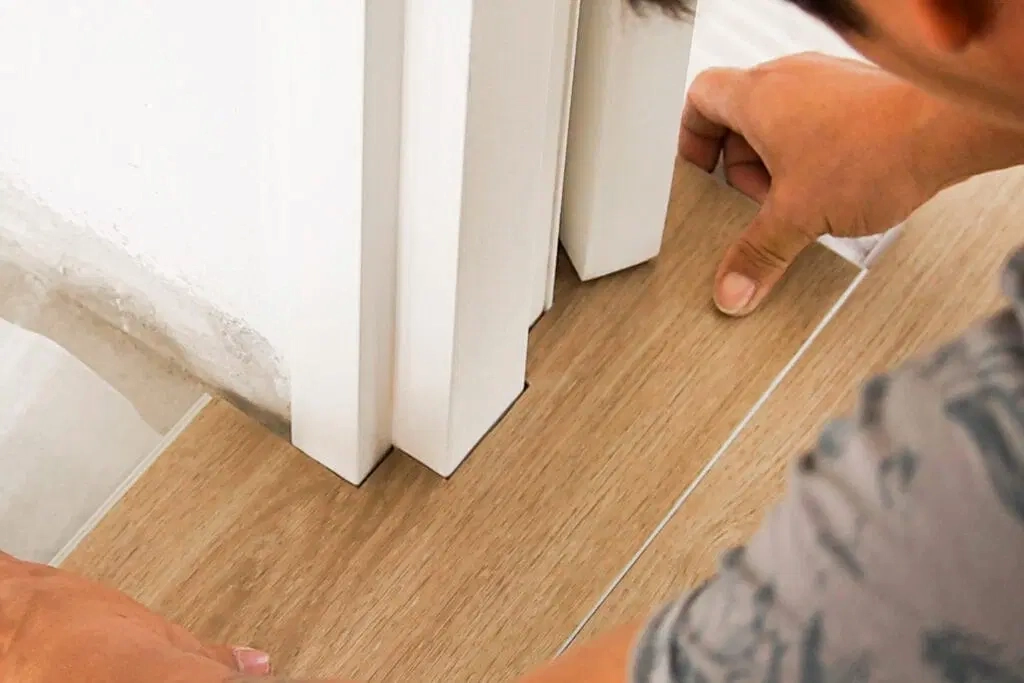
From my own experience renovating my living room, the ability to cut-to-size laminate planks meant I could tackle tricky corners and awkward layouts without compromising on style. Not only does it provide a custom fit, but it also allows for creative patterns like herringbone or diagonal installations, giving your floor a professional look without the hefty price tag.
Benefits of Cut Laminate Flooring
Custom Fit for Any Space – Unlike pre-sized panels, cut laminate flooring can be adjusted to fit nooks, hallways, or irregular corners perfectly.
Durability – High-quality laminate is resistant to scratches, stains, and daily wear.
Cost-Effective – Compared to hardwood, laminate offers a similar aesthetic at a fraction of the cost.
Ease of Installation – Many homeowners, including myself, have successfully completed projects without professional help.
Versatile Aesthetics – From oak and walnut to contemporary gray tones, laminate suits almost every interior style.
Types of Laminate Flooring Suitable for Cutting
Before you start, it’s important to choose the right type of laminate. Here are the most common:
Standard Laminate Planks – Affordable and widely available, suitable for most home projects.
Engineered Laminate Flooring – Offers extra stability and can be ideal for areas with temperature or humidity fluctuations.
High-Density Laminate – Durable and more resistant to dents and scratches, perfect for high-traffic areas like kitchens or living rooms.
Tip: When selecting your laminate, always consider the Best Flooring Options for your lifestyle and room function.
Tools and Techniques for Cutting Laminate Flooring
Successfully installing cut laminate flooring requires the right tools and techniques. Here’s what I used during my home renovation:
Utility Knife – Ideal for scoring thinner laminate pieces.
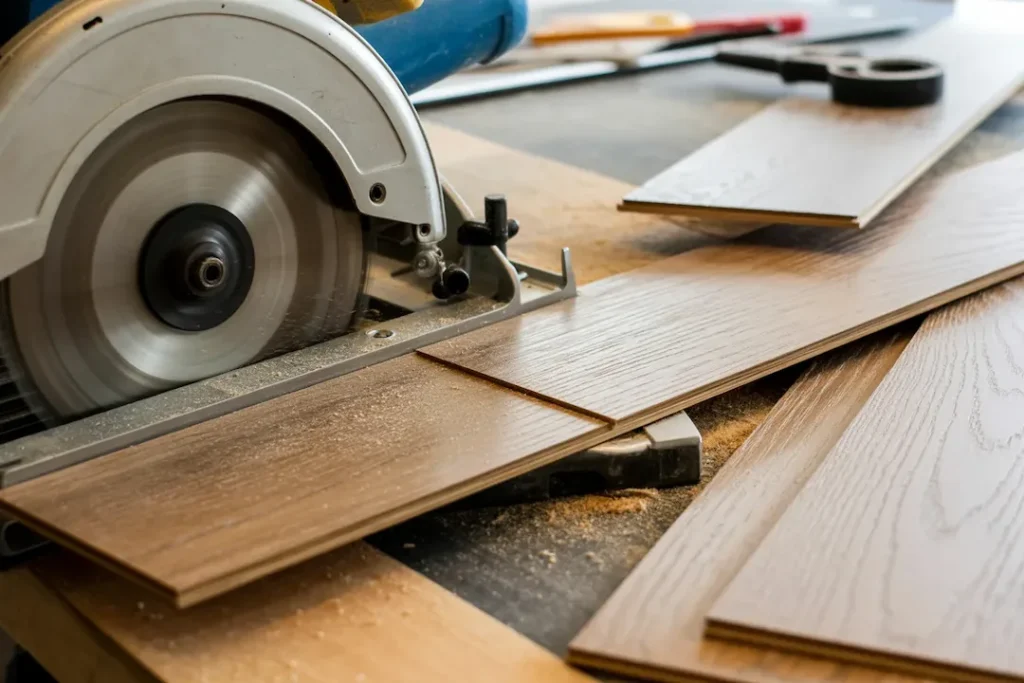
Circular Saw or Jigsaw – For precise cuts on thicker planks.
Straight Edge or Guide – Ensures straight cuts and professional-looking edges.
One trick I learned is to always cut laminate facing the decorative side down to prevent chipping. Using a fine-tooth blade or scoring the surface first can make a huge difference in achieving clean edges.
Step-by-Step Laminate Flooring Installation
Installing cut laminate flooring may seem daunting, but breaking it into steps makes it manageable. Here’s my personal approach:
Prepare the Subfloor – Clean and level the surface. Any bumps or debris can affect installation.
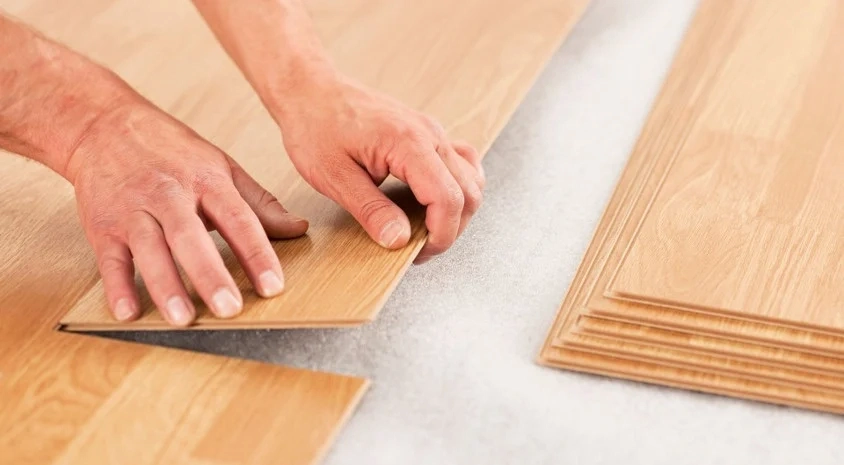
Lay the Underlayment – Provides cushioning and soundproofing.
Plan Your Layout – Determine starting points and patterns. For tricky areas, pre-cut planks to fit snugly.
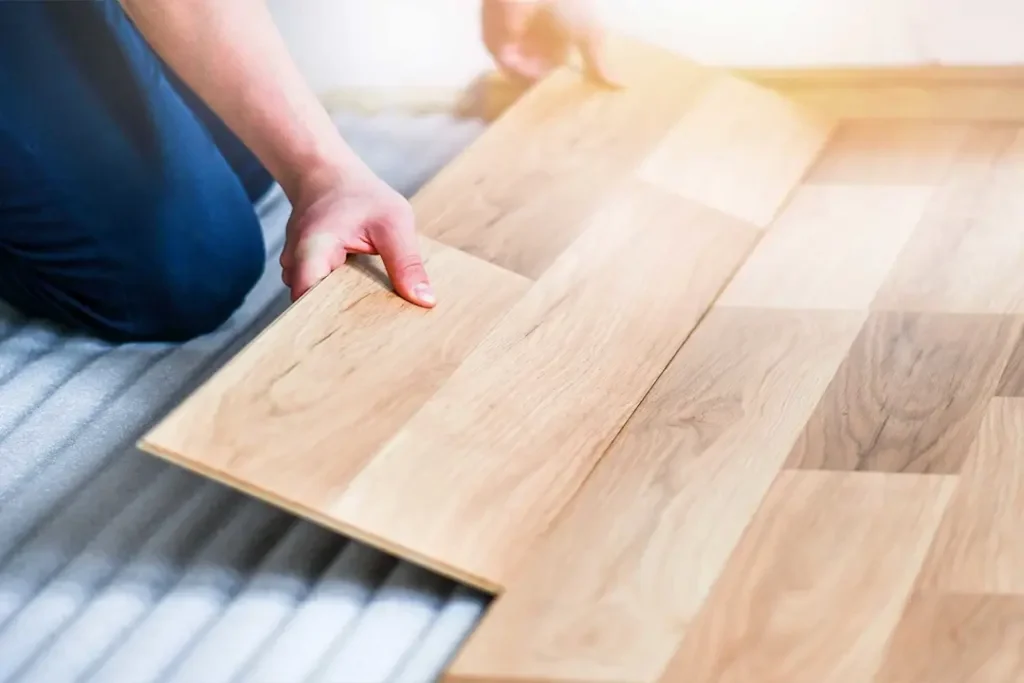
Cut and Install Planks – Use the tools and techniques mentioned above. Maintain a small expansion gap along walls.
Secure and Finish – Lock planks together, and add baseboards or molding for a polished look.
Maintenance Tips for Cut Laminate Flooring
Once installed, keeping your laminate flooring in top condition is straightforward:
Sweep or vacuum regularly to prevent dirt scratches.
Use a damp mop with mild cleaning solutions; avoid excessive water.
Place felt pads under furniture to avoid denting.
Wipe spills immediately to prevent stains.
Real-Life Case Study: Transforming a Kitchen with Cut Laminate Flooring
A client of mine recently wanted to renovate her kitchen on a budget. The space had many corners and irregular cabinet edges, which made traditional flooring options expensive and time-consuming.
We opted for cut laminate flooring, customizing each plank to fit perfectly around cabinets and appliances. Not only did this save on material waste, but it also allowed for a DIY-friendly installation, finishing the project in just two days. The final result was a kitchen that looked high-end and modern without exceeding the budget. The client particularly loved how the custom cuts made the room feel spacious and polished.
Conclusion
Cut laminate flooring is a versatile, durable, and cost-effective solution for anyone looking to upgrade their home. From choosing the right type to mastering cutting techniques and maintenance, it offers homeowners the flexibility to create stunning, custom-fit spaces.
Whether you’re tackling a DIY project or hiring professionals, understanding the benefits and strategies for cut laminate flooring ensures you get a floor that not only looks great but lasts for years. Remember, a little planning and the right tools can transform any room into a space you’ll love to live in.
FAQs About Cut Laminate Flooring
Can I cut laminate flooring without professional help?
Yes! With the right tools, careful measurements, and a bit of patience, most homeowners can do it themselves.
Is laminate flooring durable in high-traffic areas?
High-density laminate is extremely durable and ideal for kitchens, hallways, or living rooms.
How do I choose the best laminate for my home?
Consider factors like room usage, moisture levels, and your preferred aesthetic. Look for the Best Flooring Options that meet your needs.
I am Javier and my love is writing about home improvement. I write mostly about home ideas, but also share some tips and tricks that can make your life easier when it comes to getting things done in the house.